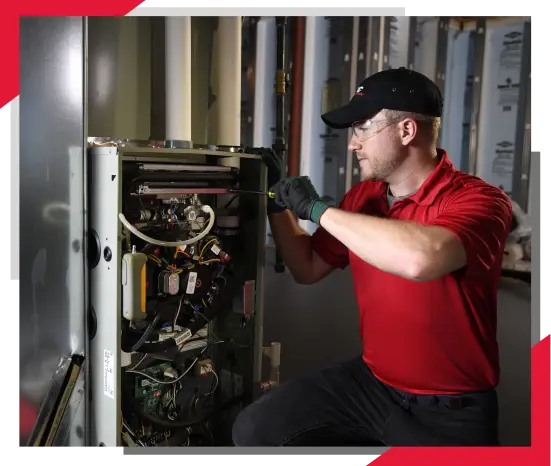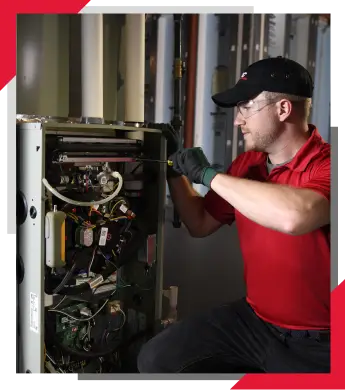



Choosing a new HVAC system isn’t as simple as matching the new unit to the old one’s size. The existing equipment may have been too large or too small from the start.
HVAC tonnage and British Thermal Units are the units of measurement used to determine your HVAC system’s capacity. A 1-ton air conditioner or heat pump is also 12,000 BTUs. You need about 20 BTUs for each square foot you’re cooling.
Heating system sizing is much more complicated. The conversion is 1 cubic foot = 1.036 BTU and 1 therm = 100,000 BTU, but two homes with the same square footage may need different-sized gas furnaces.
Insulation, windows, additions, or finished rooms can also affect how much heating and cooling your home needs.
If you’re wondering, “What size HVAC do I need?” a Manual J load calculation from a licensed HVAC company is the best place to start. Your technician will consider all factors, not just square footage.
Why HVAC System Size Matters
HVAC size means how much heating or cooling a system can provide. Air conditioners and heat pumps are measured in tons or BTUs. Furnaces are measured by how much heat they produce.
The right size system keeps your home comfortable without turning on and off too often or running all day. It may also control humidity, reduce wear, and use less energy. Even an efficient system may not work well if it’s the wrong size for the home.
Factors That Determine HVAC Size
A technician needs more than the home’s square footage to choose HVAC for NY homes. The calculation should account for how quickly heat enters or leaves the building during different seasons.
Home Size And Layout
A larger home usually needs a larger HVAC system, but square footage is only one factor. Ceiling height, the number of floors, room layout, and open spaces also affect airflow and comfort.
For example, the second floor may get warmer in summer, while a finished basement may need less cooling but steady heat. Additions and finished attics can also have different needs. A technician should consider every heated and cooled area when sizing the system.
Insulation And Air Sealing
Insulation helps keep heat inside during winter and outside during summer. Air sealing helps stop drafts around doors, attic openings, pipes, and other gaps.
A well-insulated home may need a smaller system than a drafty home of the same size. Some older New York homes have thin insulation or many air leaks, making the HVAC system work harder. Adding insulation or sealing leaks before replacement may change the system size you need.
Windows And Sun Exposure
Your windows affect how much heating and cooling your home needs. Large windows that face west can make rooms hotter in the afternoon. Older windows can also let more heat escape during cold nights.
Trees, roof overhangs, and nearby buildings may provide shade and keep the home cooler. A load calculation includes these details rather than relying on a general estimate.
New York Climate Conditions
New York homes need HVAC systems that can handle cold winters and warm, humid summers. A technician uses local weather information to estimate how much heating and cooling your home needs.
The system shouldn’t be sized for the hottest or coldest day ever recorded. That can make it too large for most of the year. Location also matters because winter temperatures and seasonal weather vary across New York.
Problems With Incorrect HVAC Sizing
Incorrect sizing can cause comfort problems even when the equipment is new. It may also increase wear, waste energy, and shorten the system’s working life.
Issues With Oversized Systems
A system that’s too large may heat or cool the home too quickly. It can reach the thermostat setting and shut off before finishing a full cycle. This is called short cycling.
Short cycling can cause uneven temperatures and wear down parts. In summer, the system may also shut off before removing enough humidity, leaving the home cool but damp.
Issues With Undersized Systems
A system that’s too small may run for hours without reaching the set temperature. Some rooms may stay too hot in summer or too cold in winter.
Long run times can waste energy and wear down the equipment. However, duct leaks, low refrigerant, or a dirty filter can cause similar problems. A technician should inspect the system before deciding it’s too small.
How Professionals Calculate HVAC Size
Technicians often use a Manual J load calculation to find the right HVAC size. It considers the home’s size, layout, insulation, windows, air leaks, and local weather.
The technician should also check the ductwork for leaks, damage, or airflow problems that could affect the new system.
Isaac can explain sizing and replacement options for heating and air conditioning systems in Rochester, as well as air conditioning replacement and heating replacement in Syracuse. We also provide HVAC sizing and installation in Canandaigua, Avon, the Twin Tiers area, and Buffalo.
Choose The Right HVAC System
Isaac Heating & Air Conditioning has served clients since 1945. Our licensed and certified technicians can calculate your home’s needs, review suitable systems, and provide a free replacement estimate with upfront pricing.
Contact Isaac to schedule HVAC services in NY. When You Need Us, We’ll Be There.

- Family-owned and -operated
- Licensed and certified technicians
- 24-hour service
- Upfront pricing and free replacement estimates
- Service for all brands of equipment
- Financing options and discounts available