

A properly insulated home makes every winter in New York feel smoother on your heating bills and cozier on your toes. R-value measures how well insulation slows heat flow, and New York’s climate zone 5 calls for attic levels of around R-49 to R-60 and wall levels of R-13 to R-20. Fiberglass batts, blown-in cellulose, and spray foam all hit those targets in different ways.
Insulation Types Explained
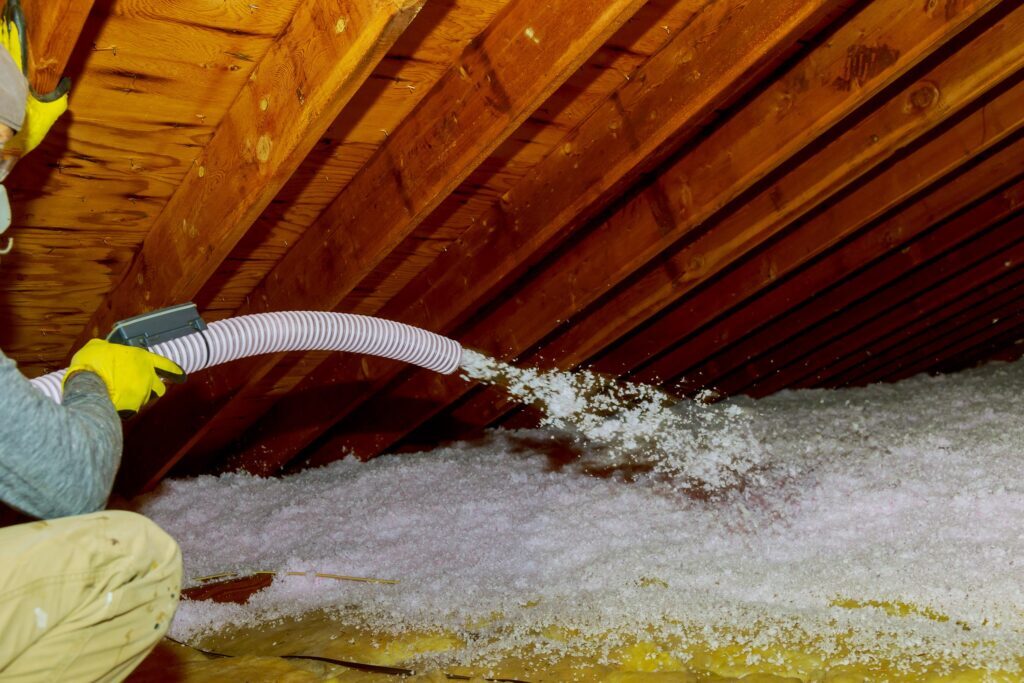
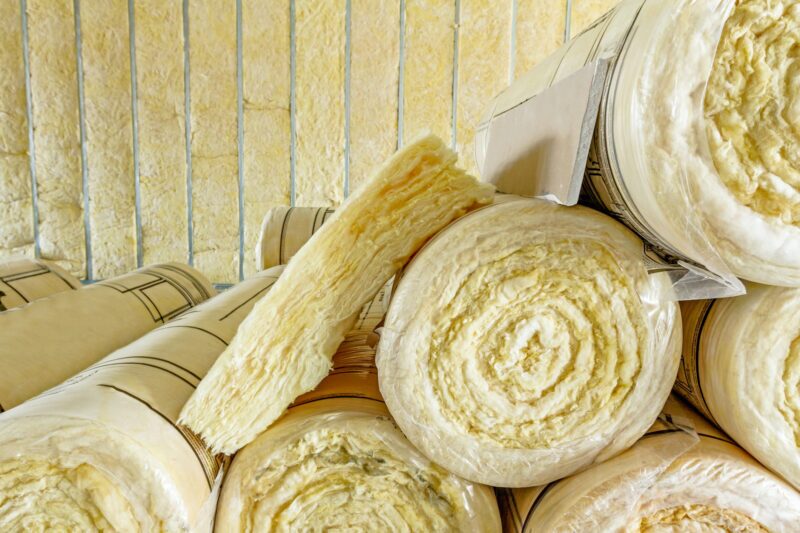
Fiberglass batt insulation comes in pre-cut panels that slot neatly between wall studs and ceiling joists. It offers about R-3.2 to R-4.3 per inch of thickness at a cost that fits most budgets. You’ll find it in rolls or rigid boards. Rolls work well for attics whereas rigid boards suit unfinished basements and rim joists. Cellulose arrives as loose flakes that are blown in with special equipment that forces it into attic cavities or wall bays. It settles around wires and pipes, delivering about R-3.5 per inch and filling gaps that batts can miss.
Spray foam seals and insulates in one step. Closed-cell versions achieve R-6 to R-7 per inch and block airflow, but you pay more up front and must hire a trained crew to handle the chemicals safely. Open-cell foam expands freely into tight corners, offering R-3.5 to R-4 per inch at a slightly lower price, but it absorbs more moisture. Choosing from these options depends on your project; attic top-ups often lean toward loose-fill whereas walls and odd spaces benefit from foam’s sealant power.
Signs You Lack Enough Insulation
Cold floors on upper levels, frequent thermostat adjustments, and icy roof edges all point toward a missing R-value in your attic or walls. When you feel a chill despite keeping the thermostat high, heat may be slipping through a thin barrier above your ceiling. You may also spot frost along the attic eaves in winter, a clear signal that warm air from below is escaping into the roof structure.
Your heating system may run almost constantly, yet rooms at opposite ends of the house remain uneven in temperature. That imbalance shows where insulation falls short or where air leaks let conditioned air vanish. A professional infrared scan during a cold morning will reveal blue spots along the roofline and around recessed fixtures, which are areas to target first. Addressing those weak spots before adding bulk insulation ensures the new material hits its rated R-value rather than settling into drafty pockets.
Climate Zone Requirements and R-Values
New York sits in climate zone 5, where recommended attic insulation ranges from R-49 to R-60 and wall insulation from R-13 to R-20. Ceilings over unconditioned spaces like garages or porches call for R-30 to R-60, and basement ceilings generally need at least R-19. Floors above crawlspaces or unheated basements perform best at R-25. These guidelines reflect seasonal swings from freezing winter mornings to muggy summer afternoons.
Under-insulating creates a constant battle against the weather, driving up heating bills in winter and overworking air conditioning in summer. By matching the recommended R-values, you slow conductive heat transfer through your building envelope and make your HVAC system’s job far easier.
Where to Insulate First
Start in the attic. That’s where heat rises, so an under-insulated attic leaks the most warmth. If you can see ceiling joists, you likely have under R-11, which is far below the R-49 ideal. After the attic, focus on any exposed duct runs there; an uninsulated duct loses heat as air travels from the furnace to the vents. Next, seal and insulate rim joists where the top of your foundation meets the house.
Those cavities often house plumbing and wiring, so loose-fill cellulose or spray foam works best to air-seal and insulate in one step. Walls come last since retrofitting cavities means drilling or removing drywall. If you plan a siding replacement or interior remodel, take that chance to blow in cellulose or use injection foam to bring those walls up to code.
DIY vs. Professional Assessment
Homeowners can tackle filter changes, weather-stripping, and minor air-seal gaps themselves. Measuring insulation depth with a ruler gives you a rough snapshot, and you can spot obvious voids or crushed batts. However, only a trained contractor can perform a blower-door test to quantify your home’s total air leakage and a thermographic survey to map R-value to each surface. These tests highlight hidden gaps behind knee walls, around plumbing stacks, and at attic scuttle openings. A pro also checks for moisture buildup that can damage insulation and framing, especially in older homes with no vapor barrier. Investing in that deep dive upfront prevents the wasted expense of adding insulation to a moldy or damp cavity. It also guarantees you meet local building codes and obtain any efficiency rebates or tax credits available in New York.
Air Sealing for Maximum R-Value
Insulation only works when you stop airflow. Even thick batts lose up to 50% of their rated performance when air leaks rush through. Common leakage spots include electrical outlets on exterior walls, attic hatches, and plumbing penetrations in the ceiling. Filling those gaps with foam sealant and gaskets before you insulate locks conditioned air in place.
Around windows and doors, caulk and foam work together to cut drafts at the frame. Remember to seal the gap between the foundation sill plate and subfloor, an often-overlooked source of drafts in older homes. When professionals pair air sealing with proper insulation, you’ll hit your design R-value rather than blow it out the soffit vents.
Upgrading Attic Ventilation
A tight attic demands balanced ventilation. While you seal air leaks, you also need soffit and ridge vents or gable vents to clear moisture that builds up when winter humidity condenses on cold roof sheathing. Without that airflow, mold and ice dams may form, especially under a deep insulation blanket.
Proper intake at the eaves and exhaust at the ridge moves outside air through the attic sheath, protecting both insulation and roofing underlayment. Contractors often install baffles to keep insulation from blocking soffit vents, ensuring a clear channel for air, even when you add thick loose-fill material. That combination of air sealing, insulation, and ventilation makes your attic a net-zero energy loss zone.
Complementary Upgrades: Radiant Barriers and Reflective Insulation
In homes with metal roofs or dark shingles that soak up summer heat, adding a radiant barrier under the roof deck can cut attic heat gain by up to 10 degrees. That reduces air conditioning runtimes on hot afternoons. Reflective foil insulation on attic kneewalls or cathedral ceilings also helps bounce radiant heat away from living spaces.
Paired with conventional bulk insulation, those reflective layers tackle both conductive and radiant heat transfer. While not a substitute for R-value in cold climates, they boost comfort in homes where solar gain makes a real difference.
Long-Term Comfort and Savings
Once you hit recommended R-values, expect to trim heating bills by up to 20% in New York winters and see similar gains on cooling bills in summer. The thicker your insulation, the more stable your indoor temperatures, and you’ll also see fewer thermostat swings, less furnace runtime, and smaller humidity swings. Your HVAC system runs less often, which extends its lifespan and reduces repair costs.
Schedule Your Insulation Evaluation
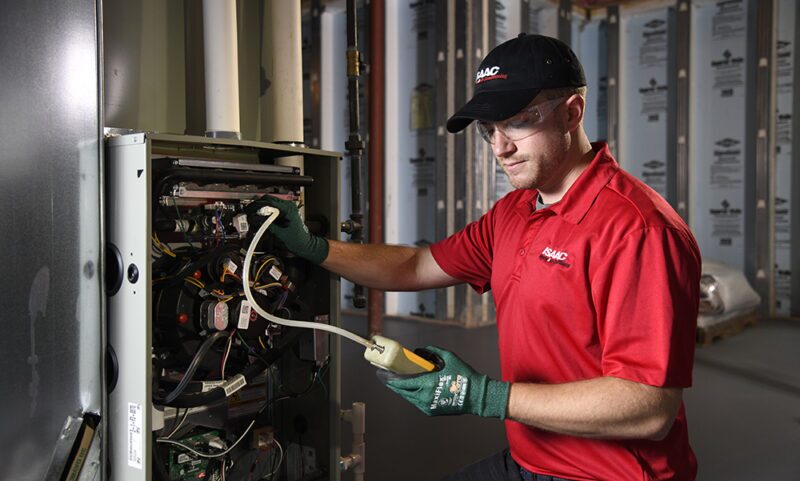
We also offer air-sealing and attic ventilation work that complements any new insulation. Contact Isaac in Finger Lakes, NY, today for a comprehensive insulation evaluation and see how the right R-value makes your home more comfortable and efficient.